Sunrise Roof Pros: Tile Roof Replacement, Leak Repair & Gutters
Expert residential and commercial roofing services. Free inspections across west Broward County, and a written workmanship warranty on every job.
- ✓Licensed and insured Florida roofing contractor
- ✓Free lift-and-look roof assessment
- ✓Residential and commercial roofing
- ✓Written workmanship warranty
Sunrise Roof Pros is a licensed, insured roofing contractor in Sunrise, Florida, handling tile roof replacement, roof leak repair, lift-and-relay underlayment work, metal roofing, flat and low-slope sections, gutters, soffit and fascia, and commercial low-slope systems across west Broward County. Residential and commercial, storm work and planned reroofs, with free inspections and a written workmanship warranty on every job.
Most of the roofs we work on are concrete tile, and the sentence that governs all of them is this: the tile is a rain screen and the underlayment is the roof. Tile fired in the 1980s is still sound. The two-ply or self-adhered membrane beneath it is on a much shorter clock, and that is the part a reroof actually renews.
So we quote from an opened assembly rather than a photograph. We lift tile at the valleys, penetrations and field corners, read the deck from the attic with a moisture meter, and write the underlayment type, the attachment standard and the Miami-Dade product approvals into the proposal, so you can compare bids on something other than the bottom number. If we think a repair is the better spend, we will say so and quote it.
Why Sunrise Chooses Sunrise Roof Pros
- ✓We quote from an opened assembly, lifting tile at valleys, penetrations and field corners rather than pricing from a drone photograph.
- ✓Every proposal names the underlayment system, the tile attachment standard and the Miami-Dade Notice of Acceptance numbers we are working to.
- ✓Deck repair is a written unit rate with an allowance, so soft plywood found after tear-off is not a surprise change order.
- ✓We will tell you when a repair beats a replacement, and we will decline tile sealing packages and coatings sold as underlayment substitutes.
- ✓Attachment is specified to RAS 118, RAS 119 or RAS 120 with an RAS 127 fastening calculation for your roof height and exposure.
- ✓Roofs are dried in the same day they are opened, so the building is watertight at the end of every working day.
About Sunrise Roof Pros in Sunrise, FL
Sunrise Roof Pros works one county and one idea. We are a licensed, insured roofing contractor covering Sunrise, Plantation, Weston, Tamarac, Coral Springs and the rest of west Broward County, and almost everything we do begins with getting under a tile field to see the membrane that is actually keeping water out of the house.
That focus is why our proposals read differently. We name the underlayment system, the tile attachment standard, the Miami-Dade product approvals and the deck repair allowance, because those are the variables that decide whether a roof lasts, and because a square-foot price with none of them stated is not a comparable bid. Residential tile and shingle work, metal, low-slope additions, gutters, soffit and fascia, and commercial membrane roofs are all in scope.
Do not hire us if you want a whole-roof tile sealing package, a hail claim built on a roof that shows age rather than impact, or a coating sold as a substitute for underlayment that has expired. We will decline all three and explain why, and we will tell you when a repair beats a replacement even though the replacement is the bigger invoice. If that is not the conversation you want, another contractor will be a better fit.
Our Roofing Services in Sunrise, FL
Roof Replacement
A tile reroof here is an underlayment job with a tile-handling problem attached. The concrete tile on most Sunrise houses is still sound.
Roof Leak Repair
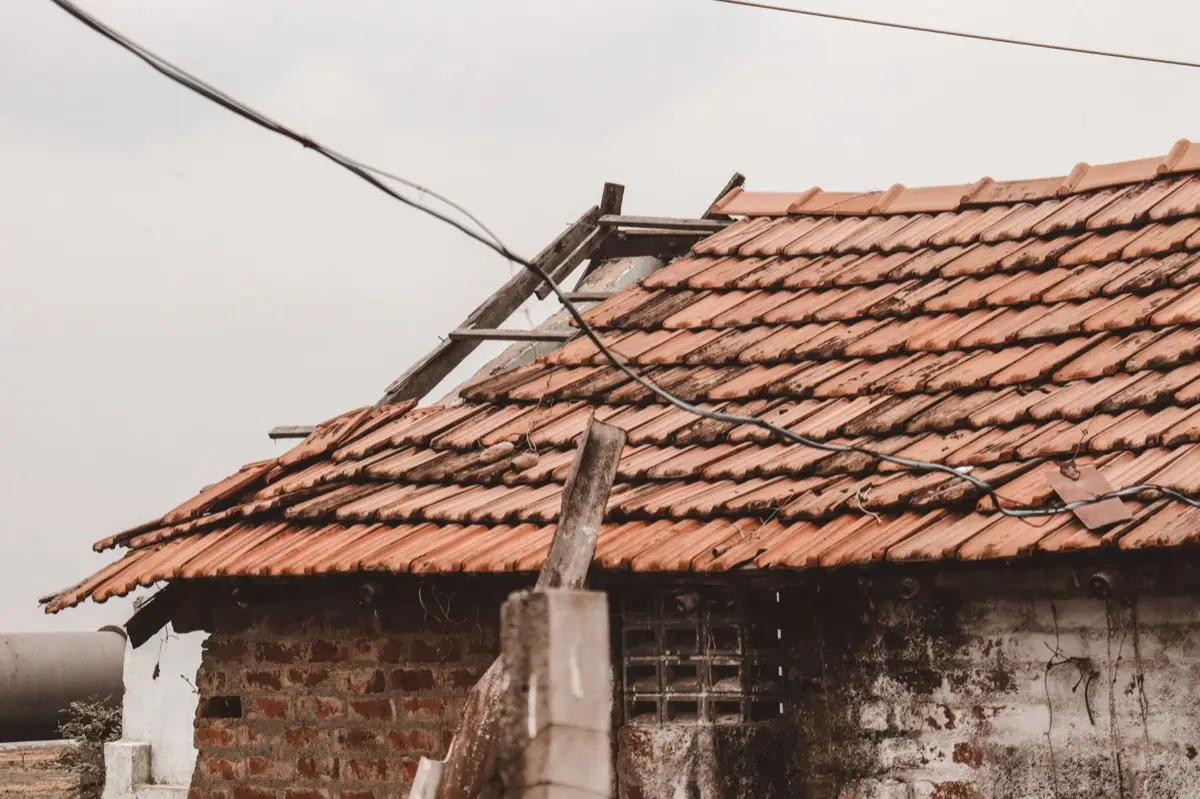
Water on a tile roof does not travel down the tile. It travels on the underlayment, sideways along the batten line, until it finds a nail hole or a failed lap.
Storm Damage Roof Restoration
Most storm damage we document in west Broward did not begin with the storm. The wind and the driven rain found an underlayment that was already brittle, already short of adhesion at the laps, and finished it in an afternoon.
Hail Damage Roof Assessment
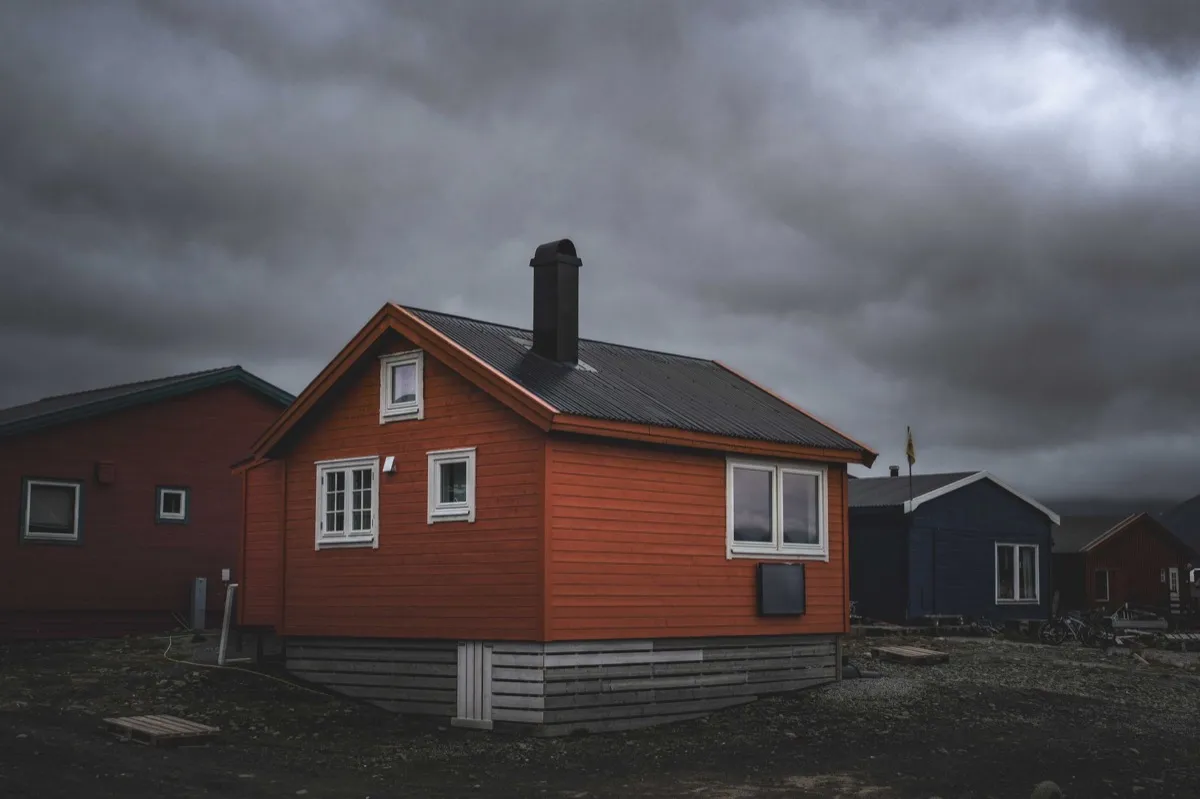
South Florida does get hail, and it does sometimes crack concrete tile. It is also the theory of loss most often applied to Broward roofs that were actually beaten by wind and age, and picking the wrong theory is how a payable claim becomes a denied one.
Wind Damage Roof Repair
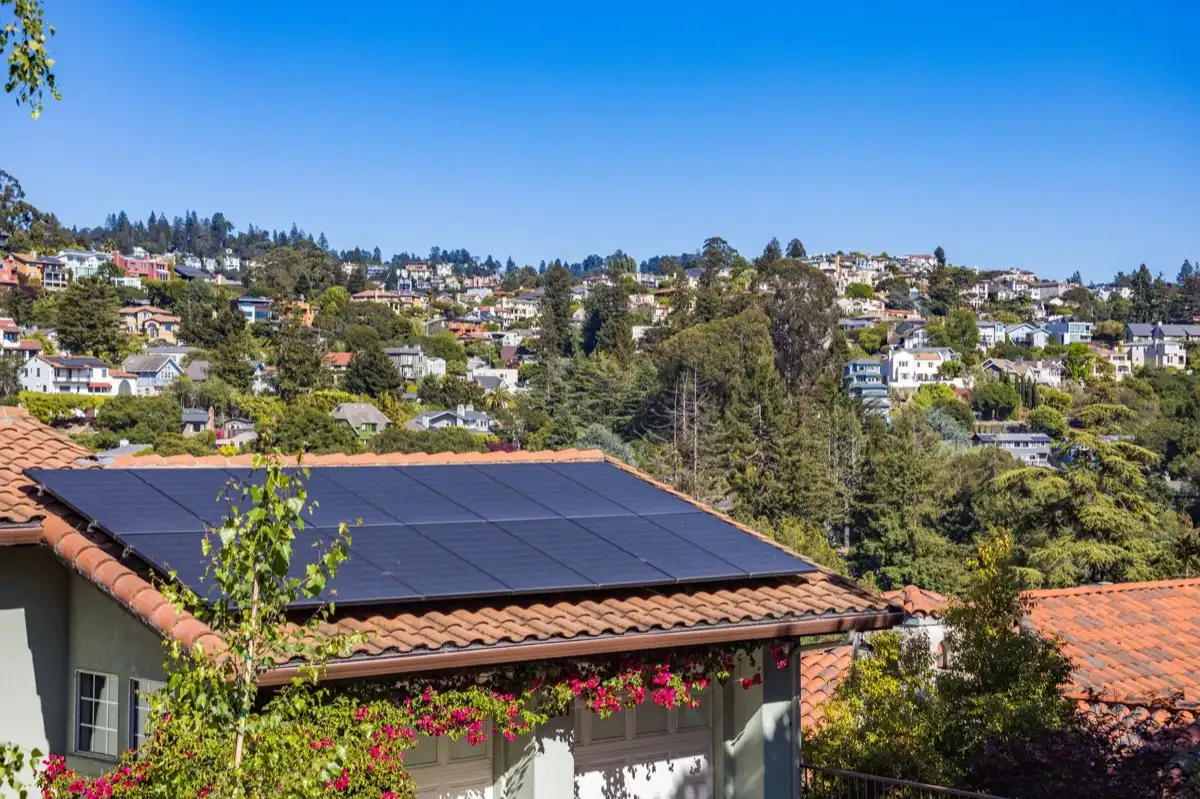
Wind is the peril that actually takes roofs apart in Broward, and on a tile roof it works on the attachment first. A cracked tile is the receipt.
Roof Inspections
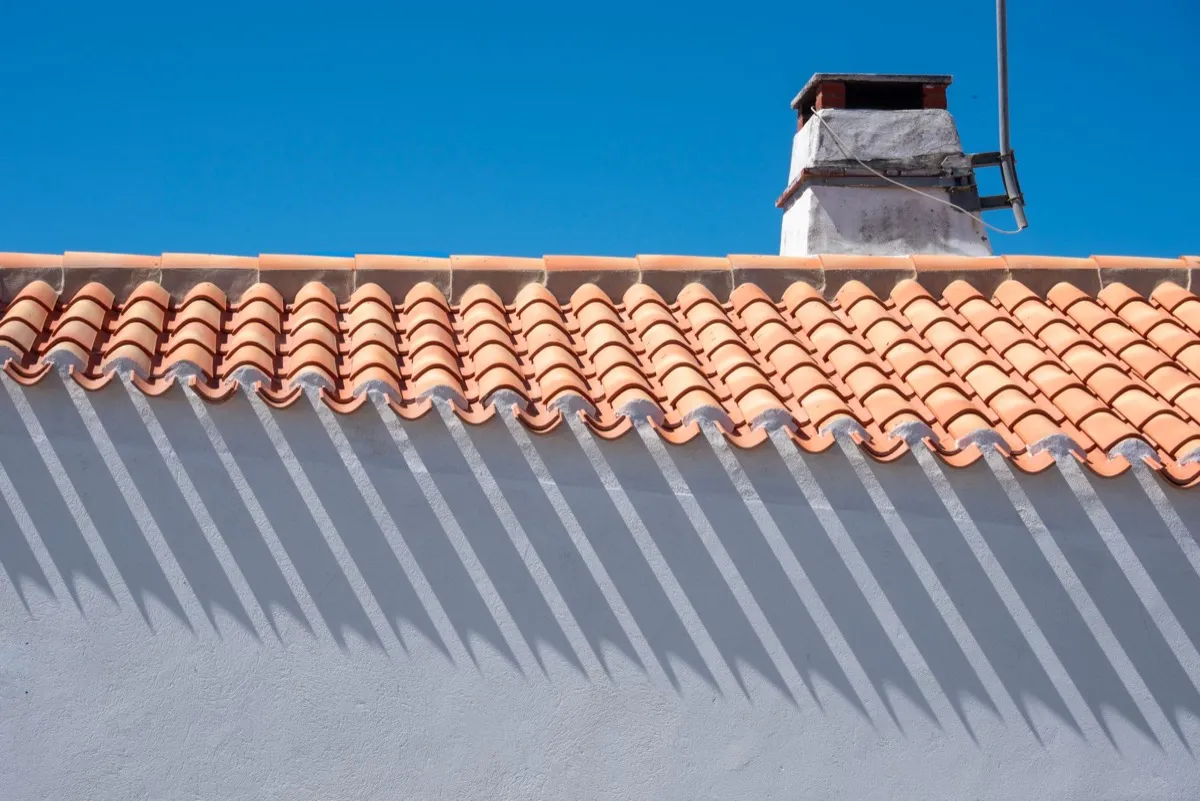
A walk-around on a tile roof tells you almost nothing about the thing that will flood your ceiling. The tile is a rain screen.
Asphalt Shingle Roofing
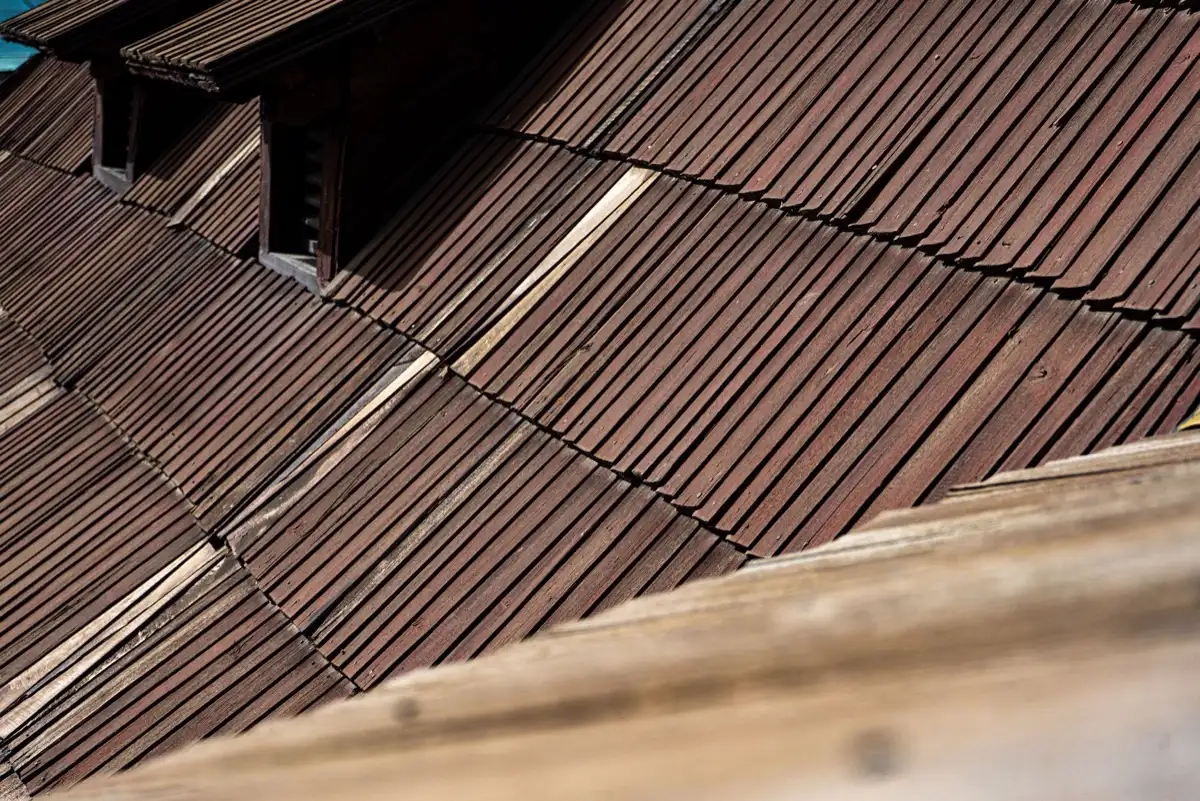
Shingles get treated as the downgrade from tile in Broward. For some houses they are the sensible answer, and the reason is structural rather than aesthetic: on a shingle roof the water barrier and the covering are one system, fastened together, instead of a sacrificial membrane under a rain screen.
Metal Roofing
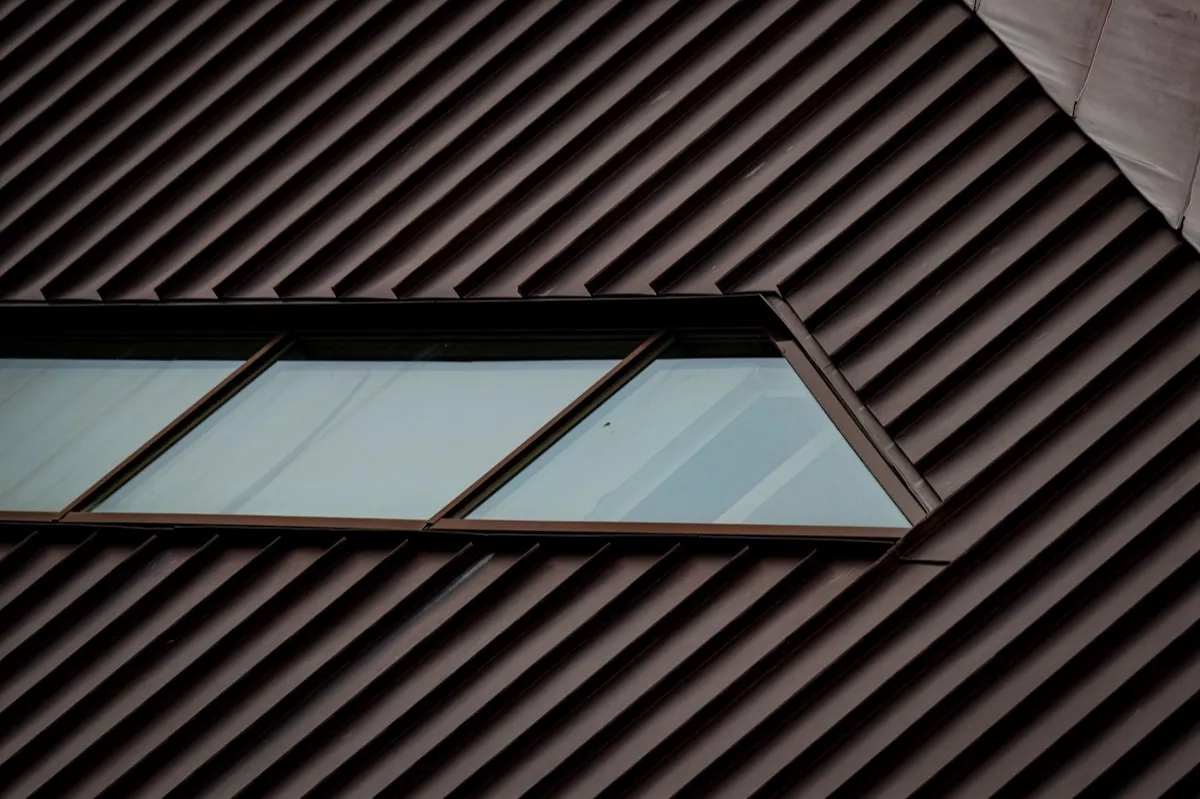
Metal earns its place on a Broward house for one reason: it takes the covering off the list of things that can slide, crack or fail at a mortar bed. What it does not do is remove the underlayment from the equation, and people buy metal believing it does.
Tile Roofing
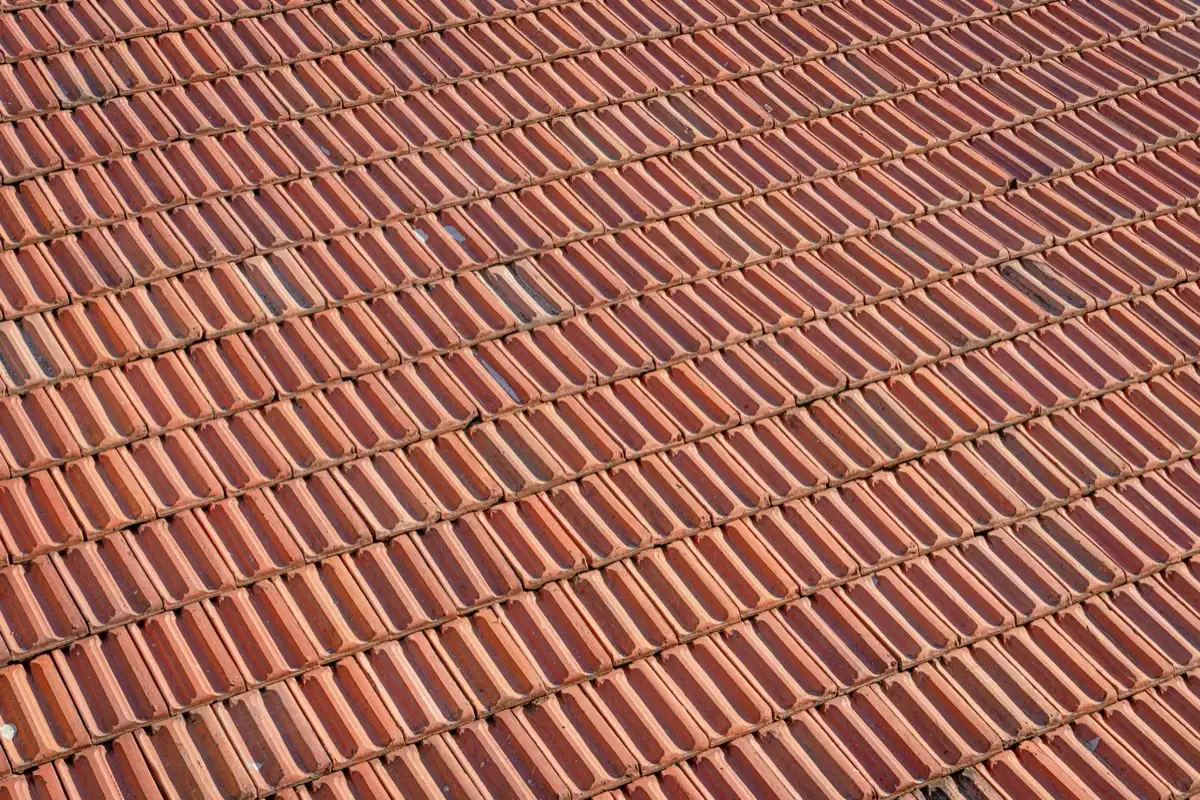
Here is the sentence that governs every tile roof in Sunrise: the tile is a rain screen, and the underlayment is the roof. A tile field can look immaculate from the street on the morning it stops working, which is why tile roofs get replaced later than they should.
Flat & Low-Slope Sections
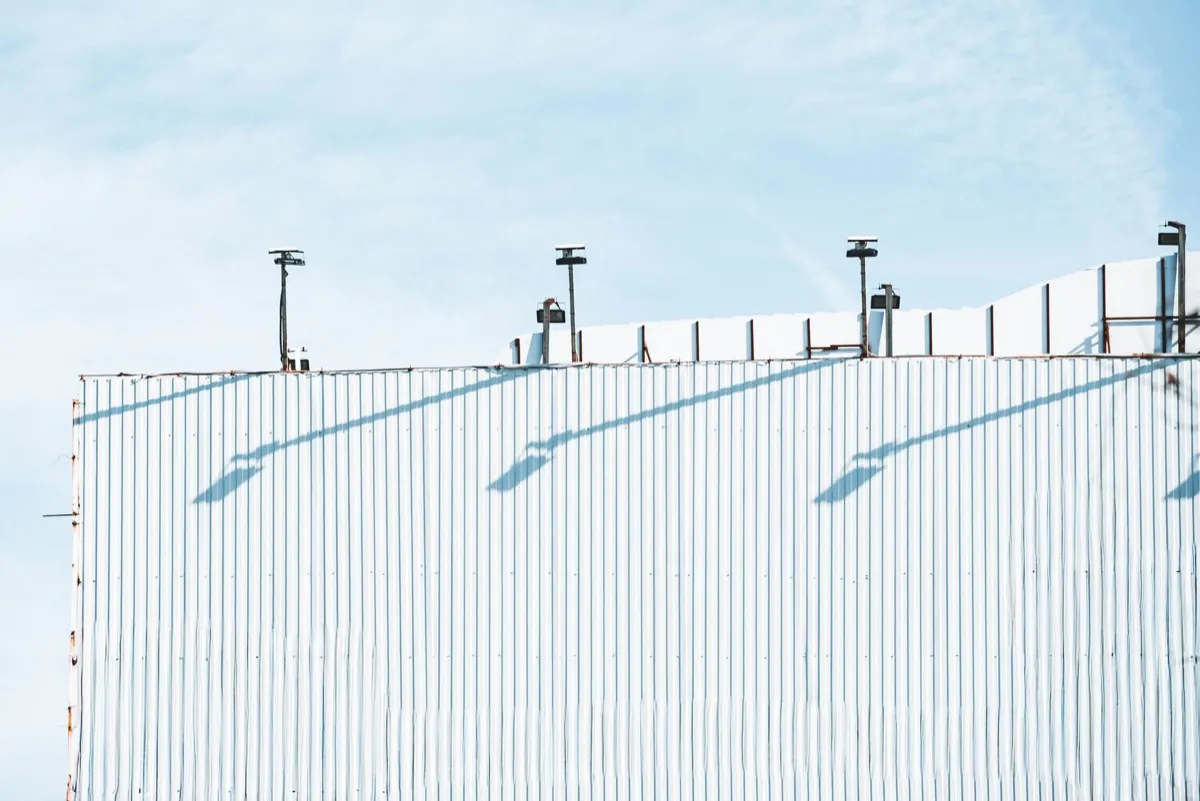
Almost every Sunrise house with a tile roof also has a piece of low-slope roof: a Florida room, a rear addition, a screened patio cover. The leak is rarely in the middle of that membrane.
Roof Coatings & Sealing
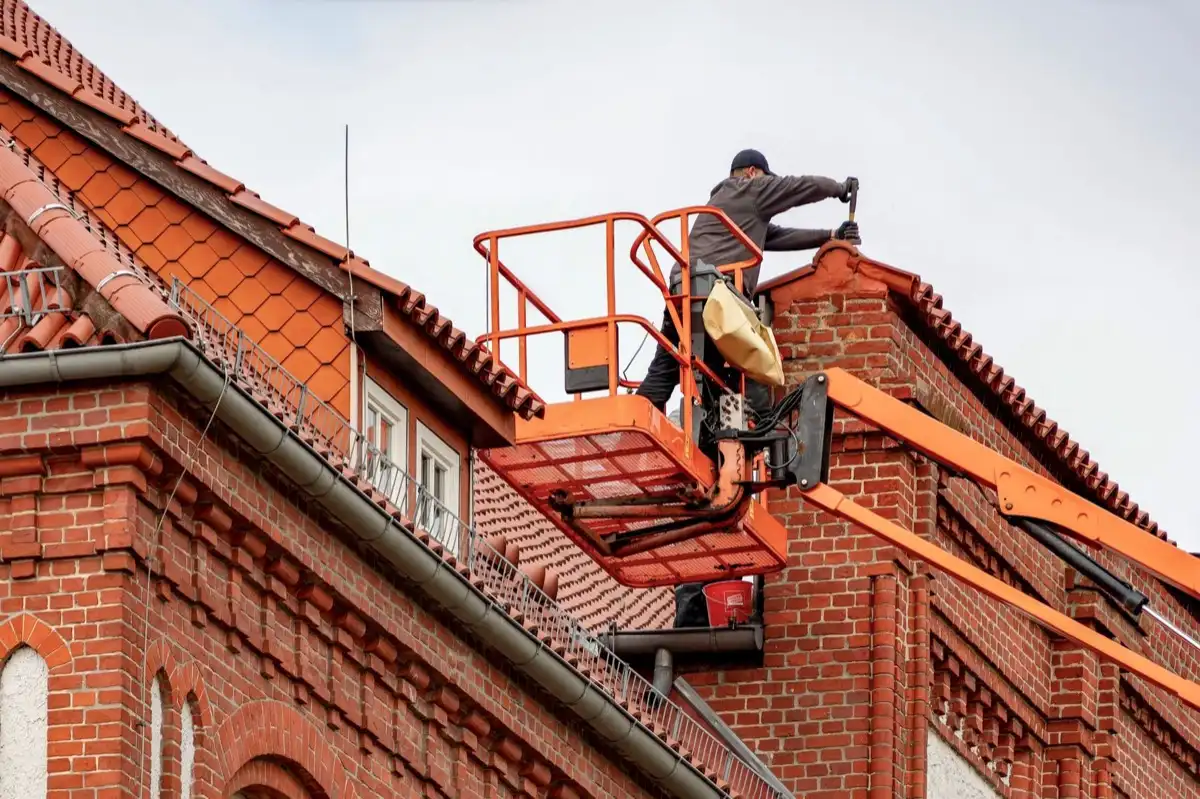
We will start by talking you out of the most requested version of this job. Sealing a concrete tile roof does not extend that roof's life, because the part failing is the membrane under the tile and no coating on top of a rain screen reaches it.
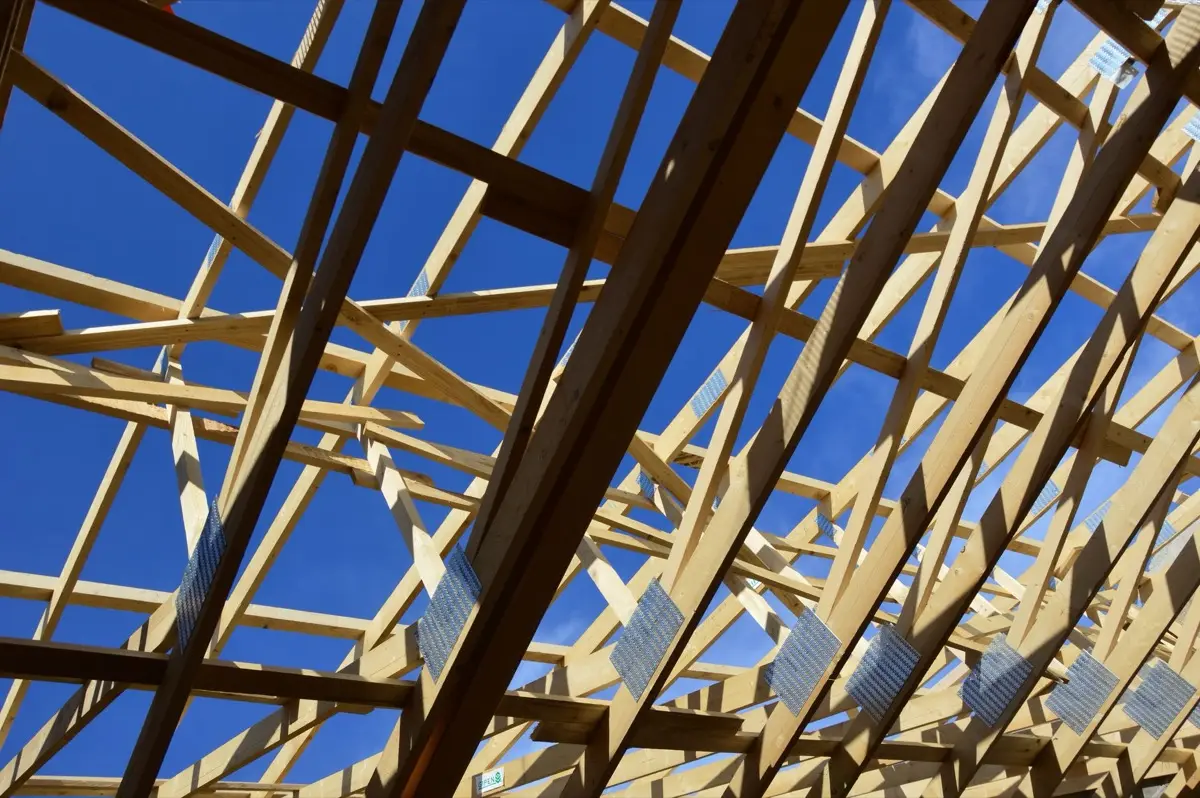
Roof Ventilation
Ventilation is a tile roof problem more than people expect, because the membrane you are trying to protect ages from both sides. Deck temperature and attic humidity work on the underside while the sun works on the top through every gap in the field.
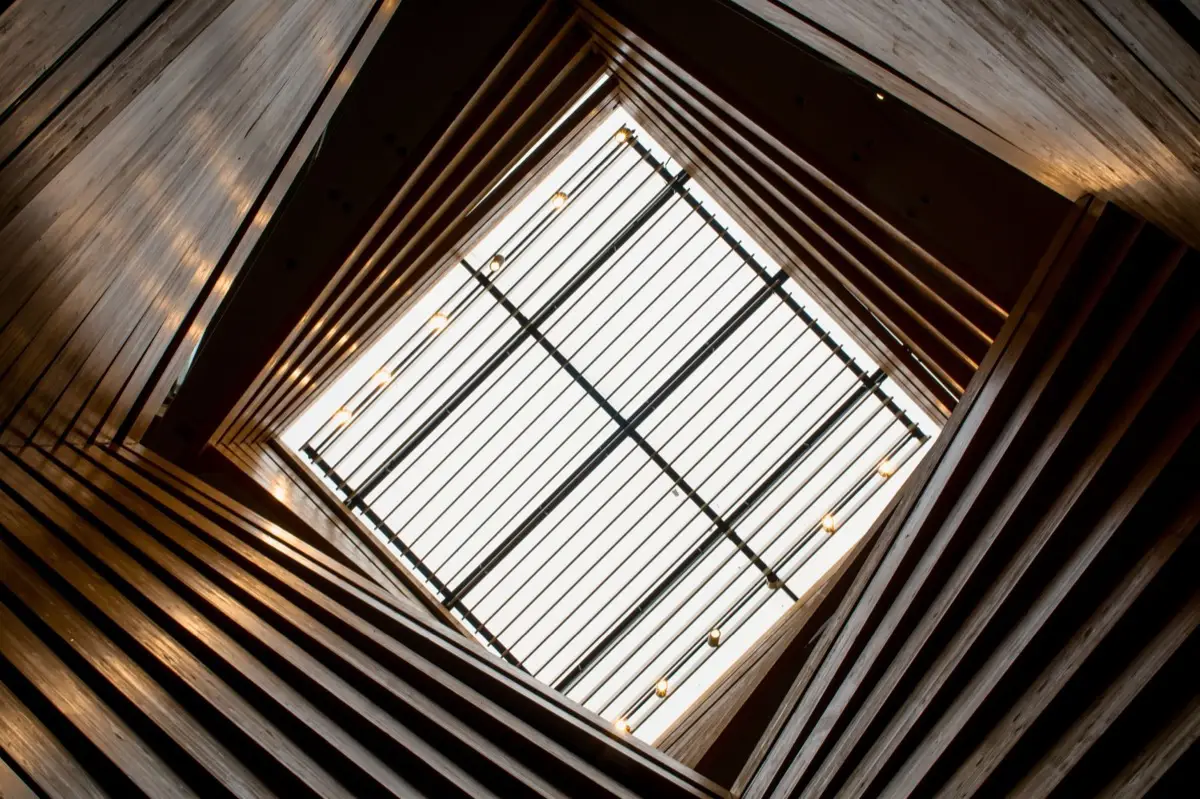
Skylights
A skylight on a tile roof is a hole in the water plane with a lid over it. Whether it leaks is decided by how its curb and apron are woven into the underlayment, not by the glass, which is why replacing the unit alone so often fixes nothing.
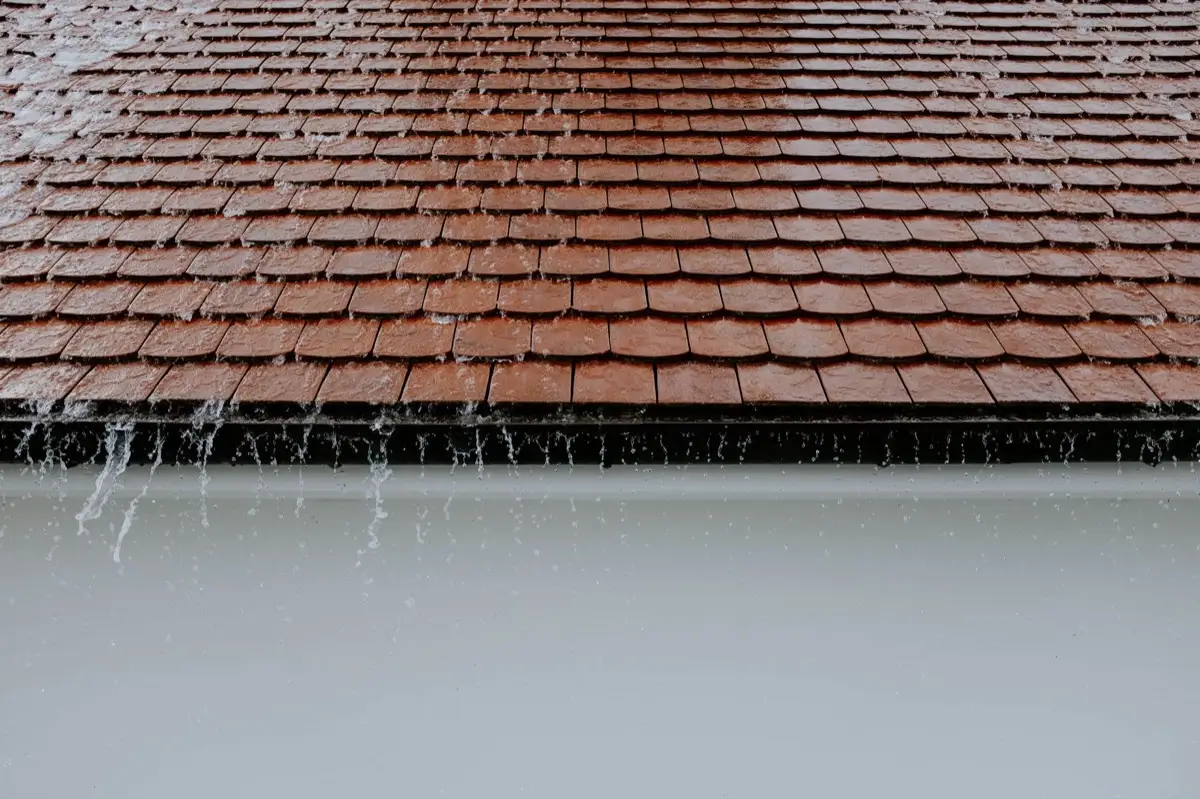
Gutters & Downspouts
Tile roofs are hard on gutters, for a reason nobody mentions at the sales counter. The barrel of the tile throws water outward off the eave instead of down a flat plane, so a gutter hung for a shingle roof spends the worst part of every storm catching air.
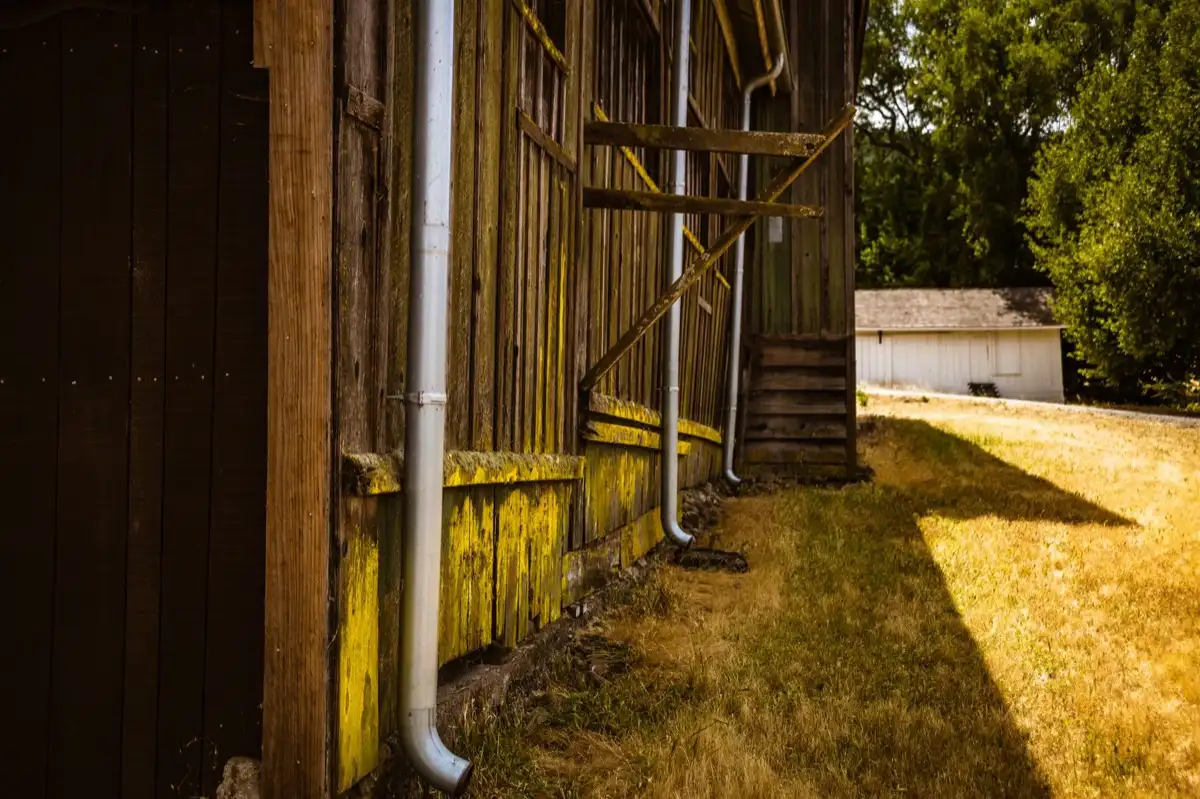
Fascia & Soffit
The eave is where a tile roof confesses. Long before a ceiling stains, water running behind the first course finds the fascia board, the paint blisters, the nails weep rust, and a soffit panel sags.

Chimney & Wall Flashing
Real masonry chimneys are uncommon on Sunrise houses, so most reported chimney leaks here are wall terminations: a stucco wall landing in a tile field, a chase for a flue, or the headwall where an addition meets the main roof. The physics is the same and so is the fix.
Emergency Roof Tarping
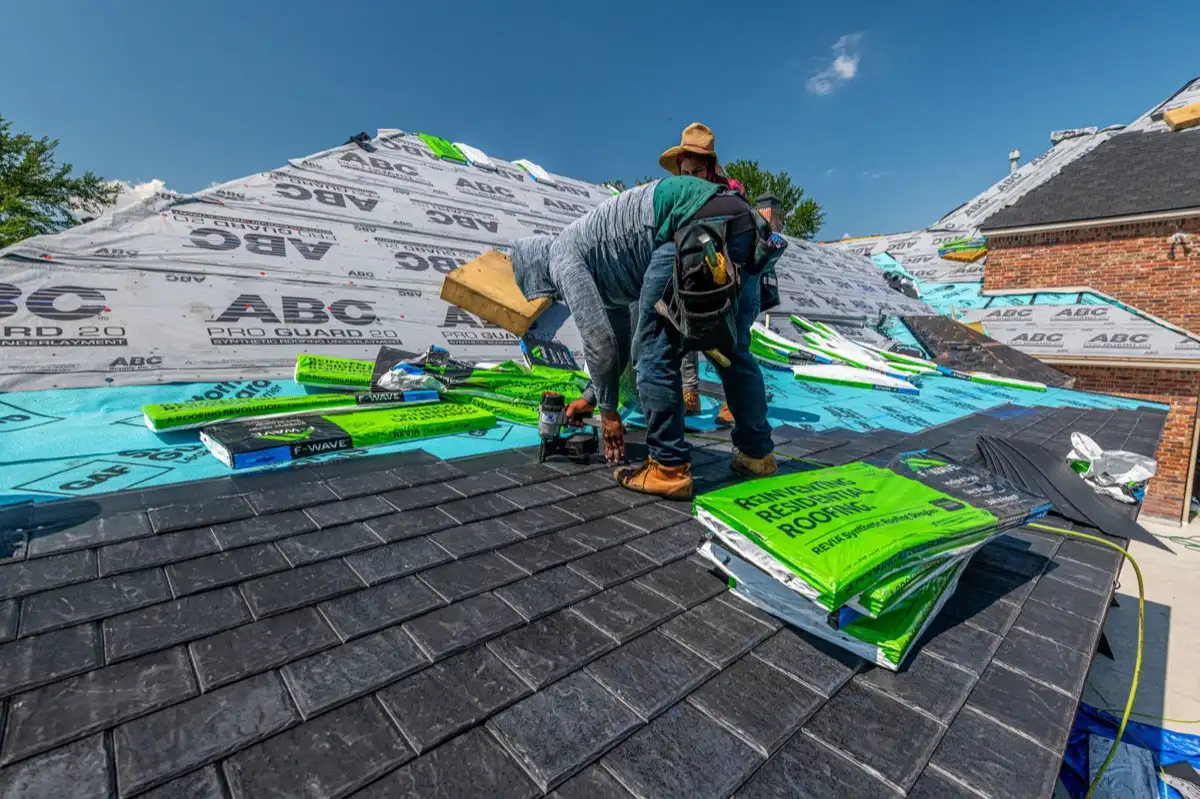
Tarping a tile roof is not the same job as tarping a shingle roof, and getting it wrong makes the damage worse. You cannot nail a tarp down through concrete tile, and a tarp weighted at the edges becomes a sail that peels the field it was meant to protect.

Commercial Roofing
West Broward's commercial stock plays the same trick as its houses, one story up. A retail strip or an office building near Sawgrass International Corporate Park wears a tile mansard at the perimeter and carries a low-slope membrane behind it.
Insurance Claim Support
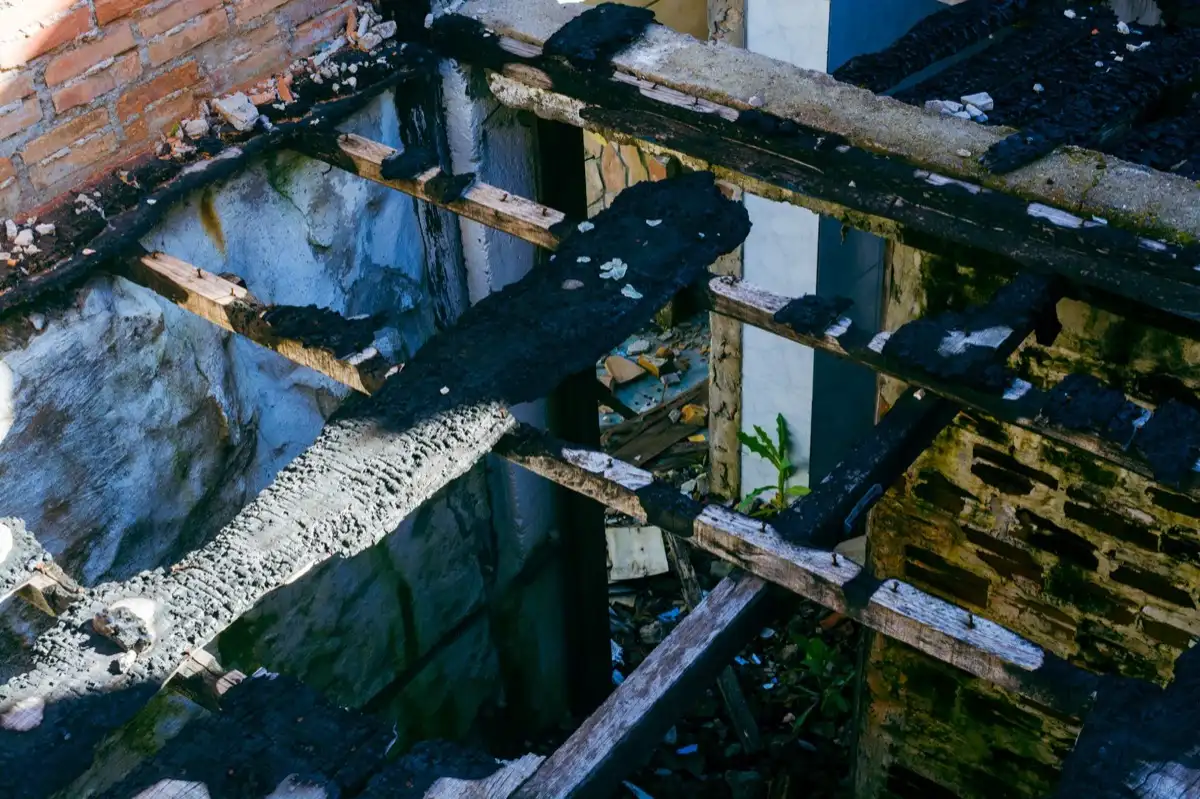
The most useful thing we bring to a claim is an accurate description of your assembly, because on a tile roof the damaged component is invisible. A scope written as broken tile replacement misses the membrane; a full replacement has to be justified against Florida's rules on partial work.
Commercial roofing for west Broward property owners
Commercial buildings in Sunrise and the surrounding cities play the same trick their houses do.
A retail strip, a medical office or a building in Sawgrass International Corporate Park wears a tile mansard at the perimeter and carries a low-slope membrane behind it, so the part everyone sees is architecture and the part that leaks is invisible from the parking lot.
We survey the mansard-to-field transition first, then the perimeter edge metal, then the rooftop equipment curbs, because that is the order in which commercial roofs here actually fail.
We work in single-ply and modified bitumen, we specify edge metal tested to ANSI/SPRI ES-1 in writing, and for managed properties we would rather sell two inspections a year and a documented condition file than a replacement you were not ready to fund.
- ✓Tile mansard to low-slope field transition surveys
- ✓TPO and PVC single-ply over high-density cover board
- ✓Two-ply modified bitumen for cut-up, high-traffic roofs
- ✓ANSI/SPRI ES-1 tested perimeter edge metal, specified in writing
- ✓Rooftop unit curb rebuilds and walk pad installation
- ✓Drain, scupper and transition gutter clearing before the wet season
- ✓Silicone restoration coatings where the substrate reads dry
- ✓Twice-yearly inspections with photographed condition reports
Recent Projects Across west Broward County
How It Works
- Free assessment, from the eave up. We lift tile at the valleys, penetrations, headwalls and the four field corners to see the membrane itself, then read the deck sheathing from the attic with a moisture meter. Tiles go back on fresh mortar or adhesive the same visit.
- A written scope you can actually price. You get the underlayment system named, the tile attachment standard we will work to, the Miami-Dade Notice of Acceptance numbers, a deck repair allowance with a unit rate, and what stays as-is. Line items, not a square-foot guess.
- Permit and inspection sequencing. We pull the Broward permit, book the in-progress deck and dry-in inspections, and schedule the tile so the roof is watertight at the end of each working day. You are told which inspection gates which stage before we start.
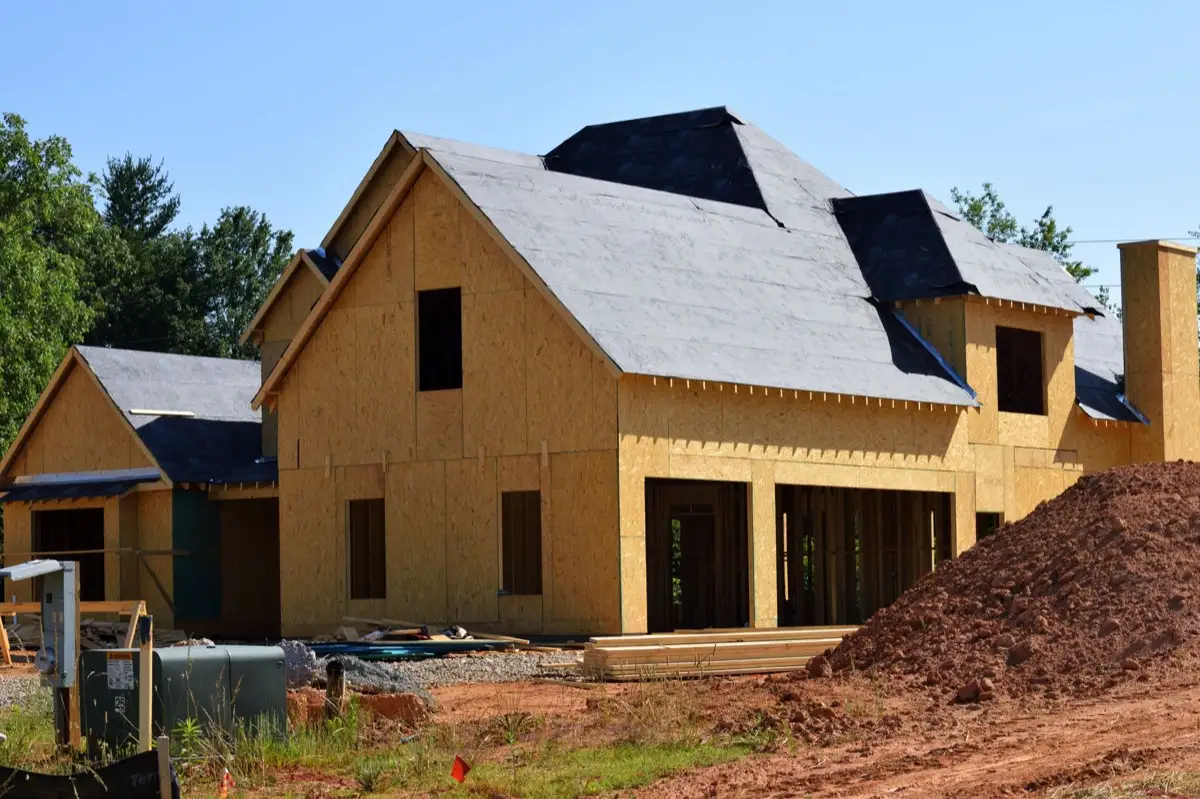
- Tear-off, dry-in, tile, close-out. Tear-off to bare deck, deck repair and re-nailing, dry-in the same day it is opened, then tile, hip and ridge and metal. We finish with a magnet sweep, a walk-through and the written workmanship warranty.
What Sunrise Customers Say
They lifted tile at three valleys before quoting anything and showed me photographs of the felt underneath. Two other companies quoted from the driveway. The relay took four days and the ceiling stain never came back.
Our tile profile had been discontinued, and they said so on the first visit instead of after the tear-off. We went with new tile, the deck repair came in under the allowance, and the crew swept the driveway twice.
I asked about sealing the tile and was told plainly it would not help the membrane underneath. They repaired one valley and a pipe collar instead, for a fraction of what I expected to spend.
The leak was showing up two rooms away from the damage. They water-tested from the bottom up, found a headwall with no kickout flashing, and reflashed it properly. Clear invoice, no surprises.
Service Areas
Sunrise Roof Pros serves Sunrise, FL and surrounding communities including:
Frequently Asked Questions
Why is my tile roof leaking when none of the tiles are broken?
Because the tile is not what keeps water out. Rain that gets past the tile field, and plenty always does, lands on the underlayment beneath and runs down that membrane to the eave.
Once a lap, a fastener hole or a penetration collar in the membrane fails, water leaves the roof at that point and travels along the deck or a batten before it appears on your ceiling. A perfect-looking tile field over a thirty-year-old membrane is the single most common leak we are called to in Sunrise.
Can you just replace the broken tiles and leave it at that?
Sometimes, and we will say so when it is true. If the membrane underneath is young and the damage is confined to a few field tiles, replacing tile and re-bedding it is the right and cheapest answer.
What we will not do is sell it as a fix when the underlayment is at end of life across the roof, because then you are paying to make an expired assembly look better and the next leak will surface somewhere else. We open the area first so the recommendation is based on the membrane, not the tile.
If only part of my roof is damaged, do I have to replace all of it?
That depends on when your roof was built. Florida's twenty-five per cent provision used to mean that repairing or replacing more than a quarter of a roof section could pull the whole roof up to current code.
Since the 2022 legislation, a roof section built, repaired or replaced in compliance with the 2007 Florida Building Code or a later edition only needs the affected portion brought to current code. Roofs older than that are still governed by the earlier provision, so the date your roof was dried in matters more than its appearance.
How long does the underlayment under a Sunrise tile roof last?
Far less time than the tile, and the honest answer for your roof comes from opening it rather than from a table. Heat, ultraviolet light coming through the gaps in the field, and foot traffic all age it, and an older single-layer felt system behaves very differently from a modern self-adhered membrane.
What we can tell you is that the tile date and the membrane date are different numbers, that on a relayed roof they can be twenty years apart, and that the membrane date is the one that predicts your next leak.
Can my existing tile be reused if the underlayment is replaced?
Often, and that is what a lift-and-relay is: the tile comes off, the membrane is renewed, and your own tile goes back so the roof looks unchanged. Two things decide it.
The tile has to survive handling, because removing and stacking concrete tile breaks a share of it, and your profile has to still be manufactured so breakage can be replaced with matching pieces. If the profile was discontinued, a relay ends up as a patchwork of near-matches and new tile is usually the better outcome.
What is a secondary water barrier, and does my reroof need one?
It is a water-resisting layer applied to the roof deck itself, so that if the covering is breached the deck is still protected.
Florida requires one on qualifying homes in the wind-borne debris region when the roof covering is removed and replaced, and it can be done with taped deck joints under an approved base sheet, a fully self-adhered deck membrane, or a tin-capped thirty-pound felt system.
A clay or concrete tile roof installed as the code requires is deemed to satisfy the requirement, which tells you how central the underlayment is.